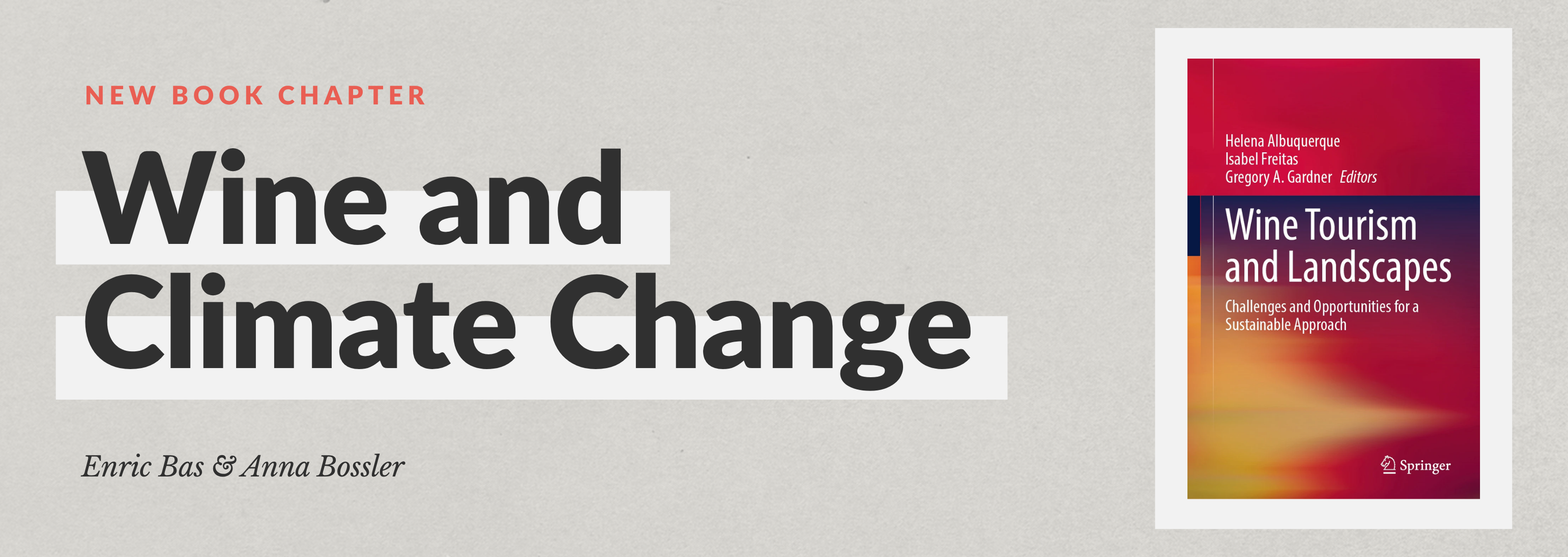
Congratulations to RELISH Work Package Lead Enric Bas and co-author Anna Bossler on publishing their new book chapter, “Spain’s Wine Industry and Climate Change: Past Trends, Present Challenges, and Future Scenarios in 2050” in Wine Tourism and Landscapes: Challenges and Opportunities for a Sustainable Approach (2025).
This book chapter explores the current and potential impacts of climate change on Spain’s wine tourism industry. As Bas and Bossler underline, wine tourism is a significant sector in Spain’s tourism economy and “an integral part of the country’s culinary appeal to international and domestic visitors alike” (2025, 30).
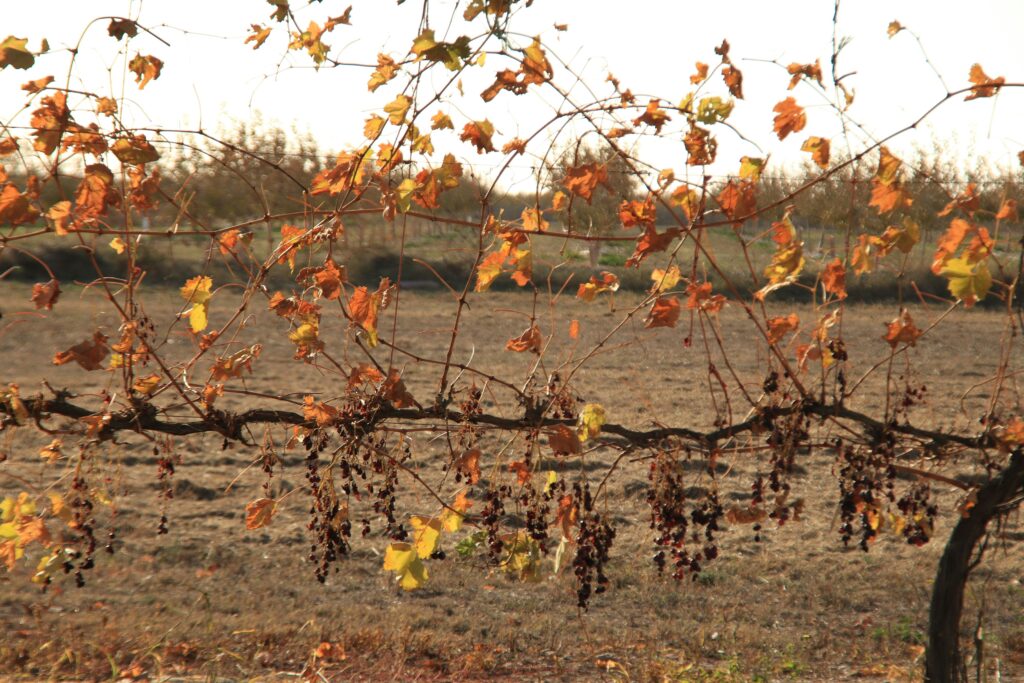
Yet, in recent years, droughts and extreme temperatures have severely impacted wine-producing regions. According to the authors, climate change is particularly detrimental for producers who certify wines with Geographic Indications, such as Protected Designations of Origin (PDOs). These wines are certified to “taste of place,” but it’s increasingly uncertain whether these places are suitable to grow wines at the scale needed to support Spain’s tourism and export industries.
If wine is both an integral and increasingly risky business in Spain, how can wine tourism decision-makers navigate the future of their industry? Enter Future Studies, a growing body of literature and methods that Bas is bridging between his research activities at FUTURLAB—from Spain’s wine industry and other challenge areas—to RELISH’s future scenarios for recipes in Europe.
Drawing on methods in Future Studies, Bas and Bossler deploy “Horizon Scanning.” This strategy involves identifying trends, change drivers, and system vulnerabilities to provide a set of future scenarios for industries and stakeholders. These scenarios are tools, rather than predictions, for decision-makers to assess and plan for climate change impacts from now until 2050. In the case of Spain’s wine tourism industry, Bas and Bossler conclude that,
“In sum, the evolution of Spain’s wine sector will ultimately be determined by the dialectical relationship between technological capability and regulatory oversight. The interplay between these forces will shape the industry’s ability to address sustainability challenges, meet evolving consumer preferences, and maintain global competitiveness.” (2025, 49)
Interested to learn more about Enric Bas’ work? He collaborated on multiple foresight and future studies, including Foresight on Demand’s Stories from 2050, EU Policy Lab’s Futures Garden. He also served as an advisor for Next Generation Foresight Practitioners!
Enric Bas is a Professor of Social Change and Communication, and Participatory Foresight and Social Innovation, at the University of Alicante, where he serves as the Director of FUTURLAB – Creative Futures.
Contact: bas@gcloud.ua.es